
Why We Are So Lonely in the Most Connected Era Ever?
Jun 17
/
Bhavtarini and Ipshita.
Imagine this: we’re living in the most connected time in human history, alwaysonline, constantly pinged, scrolling past hundreds of faces daily. Yet, so many of us feel deeply alone. In May 2023, U.S. Surgeon General Dr. Vivek Murthy dropped a truth bomb that shook the country:
America is in the middle of a loneliness epidemic
U.S. Surgeon General Dr. Vivek Murthy
Not a metaphor—an actual public health crisis. He said chronic loneliness is as bad for your health as smoking 15 cigarettes a day. Yep, 15. Every single day.
So, how did we get here? How are we more "plugged in" than ever, but feeling more disconnected than ever? Loneliness isn’t just about being alone. You can feel perfectly fine binge-watching alone on a Friday night, or feel invisible in a room full of people. Psychologists describe loneliness as the space between the relationships you have and the ones you need. It shows up in two big ways: first, emotional loneliness— missing a deep bond, like a best friend or partner. Second, social loneliness—lacking a sense of community or belonging.
And your brain? It doesn’t take it lightly. It treats prolonged loneliness like a threat—kicking into stress mode, triggering anxiety, disrupting sleep, and even weakening your immune system. It’s not "just in your head," it hits your whole body.
When Dr. Murthy released his 2023 advisory, he didn’t treat loneliness as some side effect of modern life. He put it in the same category as smoking, obesity, and drug addiction—a serious, life-shortening issue. Half of U.S. adults say they’ve felt measurable loneliness. And this isn’t just about COVID; the numbers were rising long before the pandemic. Loneliness is tied to higher risks of heart disease, stroke, anxiety, depression, and even early death. It’s the kind of thing that chips away at both your body and your spirit. But Dr. Murthy didn’t stop at the warning—he also called for change. Real change.Across schools, offices, healthcare, and even tech platforms. His message was clear: connection isn’t a luxury—it’s a basic human need, like water or food.
We didn’t become lonely overnight—modern life slowly pulled us apart in subtle but powerful ways. Social media makes us feel connected on the surface, but often leaves us emptier inside. Constant moves for work or school uproot us from familiar support systems, while a culture obsessed with independence and self-branding pushes us to hustle alone. Burnout and the “always-on” mentality blur the line between life and work, leaving little space for genuine connection. And perhaps most damaging of all, shame keeps us silent—especially men and older adults—because admitting we’re lonely still feels like admitting we’ve failed.
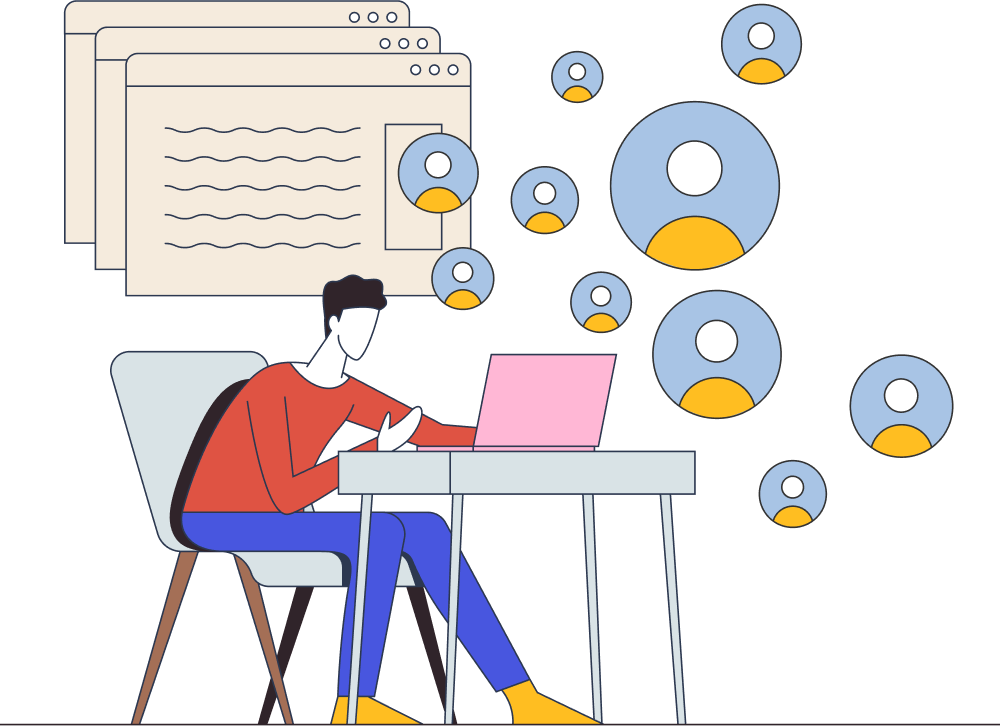
Loneliness doesn’t just tug at your heart; It messes with your head. If you’ve felt it, you’re not broken, just human. It shifts how we see the world: we start believing we’re not worth anyone’s time, read too much into a late text, and feel numb even when good things happen. Over time, we pull away, thinking no one would get it anyway—and that’s how loneliness traps us in its cycle. While almost everyone feels it now and then, some groups carry the weight more often: young adults overwhelmed by online noise but craving something real, older adults losing touch with their circles, single parents and caregivers who pour into others with little left for themselves, and immigrants or minorities trying to find belonging while feeling invisible.
The good news is, connection isn’t some rare magic—it’s a skill, and like any skill, it can be relearned. Rebuilding it starts with creating space for genuine community, not just surface-level teamwork in schools or offices. We need more “third places” like parks, cafés, or community centers/spaces where we can just be around others without pressure. And often, the deepest bonds come from simple shared experiences—joining a hobby club, a faith group, or volunteering where connection grows naturally through presence and purpose. If you’re feeling ready to reconnect, the science-backed tools that actually help are more accessible than you’d think. Cognitive Behavioral Therapy (CBT) can break the toxic thought loops that convince you you’re unworthy of connection. Social skills coaching builds confidence in everyday interactions—from eye contact to handling awkward silences. Mindfulness and self-compassion teach you to sit with your emotions without judgment and to offer yourself kindness rather than criticism. Simple acts of kindness, like helping a neighbor or volunteering, can boost feel-good hormones and remind you that you have something to give. And peer support groups—whether online or in person—can be deeply healing; Sometimes just hearing someone say “me too” makes all the difference.
Loneliness isn’t just a personal struggle—it’s a cultural one, and fixing it takes more than individual effort. We need big, systemic changes. Governments should treat loneliness like any other public health crisis, with real policies and resources. Cities need to be built for connection, with benches, parks, and sidewalks that invite conversation instead of isolation. Tech platforms should stop feeding endless scrolling and start designing for real engagement. And workplaces need to value human connection, not just performance metrics. Interestingly, many traditional cultures already have what we’re missing. In Japan, ‘Ibasho’describes a place where you belong just by being yourself—no performing, no pressure. Denmark lives by ‘hygge’, the cozy togetherness found in slow, shared moments. And in Latin America, family and community are woven into everyday life, where no one walks alone. What they all show us is this: connection doesn’t happen by accident—it happens on purpose.
Loneliness isn’t a personal flaw. It’s your body telling you what it needs—people.Real connection. Safe spaces. Shared laughter. Quiet support. We’re wired to connect; it's what gives life its meaning. So, the next time you feel a little off or a little alone, reach out.Not just for yourself, but for someone else who might be silently hurting too. Because healing doesn’t come from scrolling—it comes from showing up. And maybe, just maybe, we can build a world where being human means being together.“We are made to connect with one another, to be a part of something bigger than ourselves.”- Dr. Vivek Murthy, U.S. Surgeon General